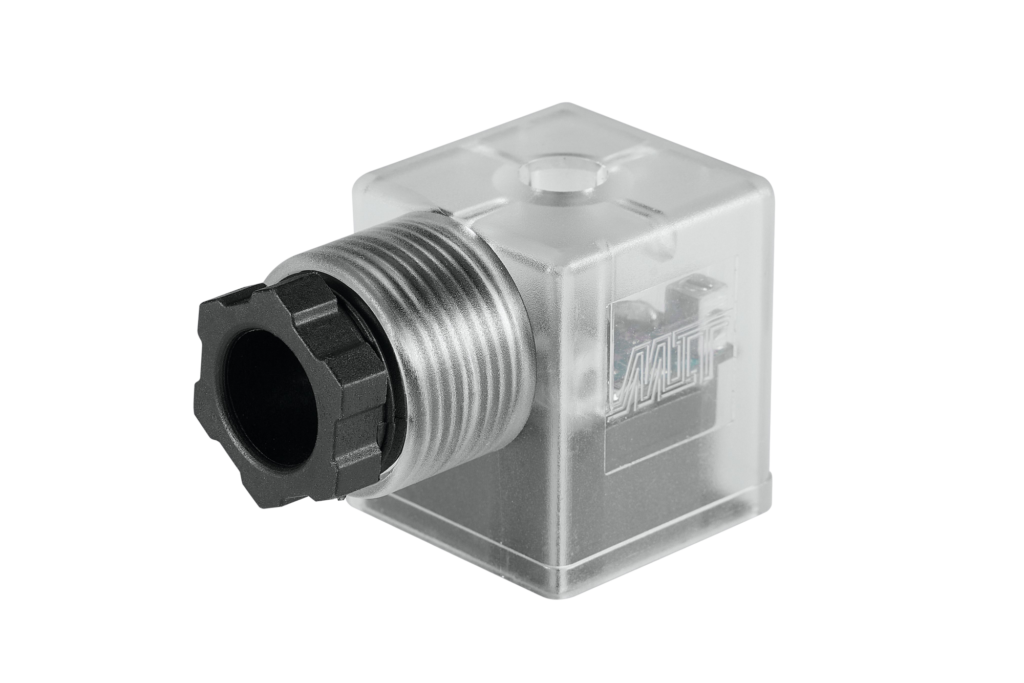
Solenoid Valve Energy-Saving Principle
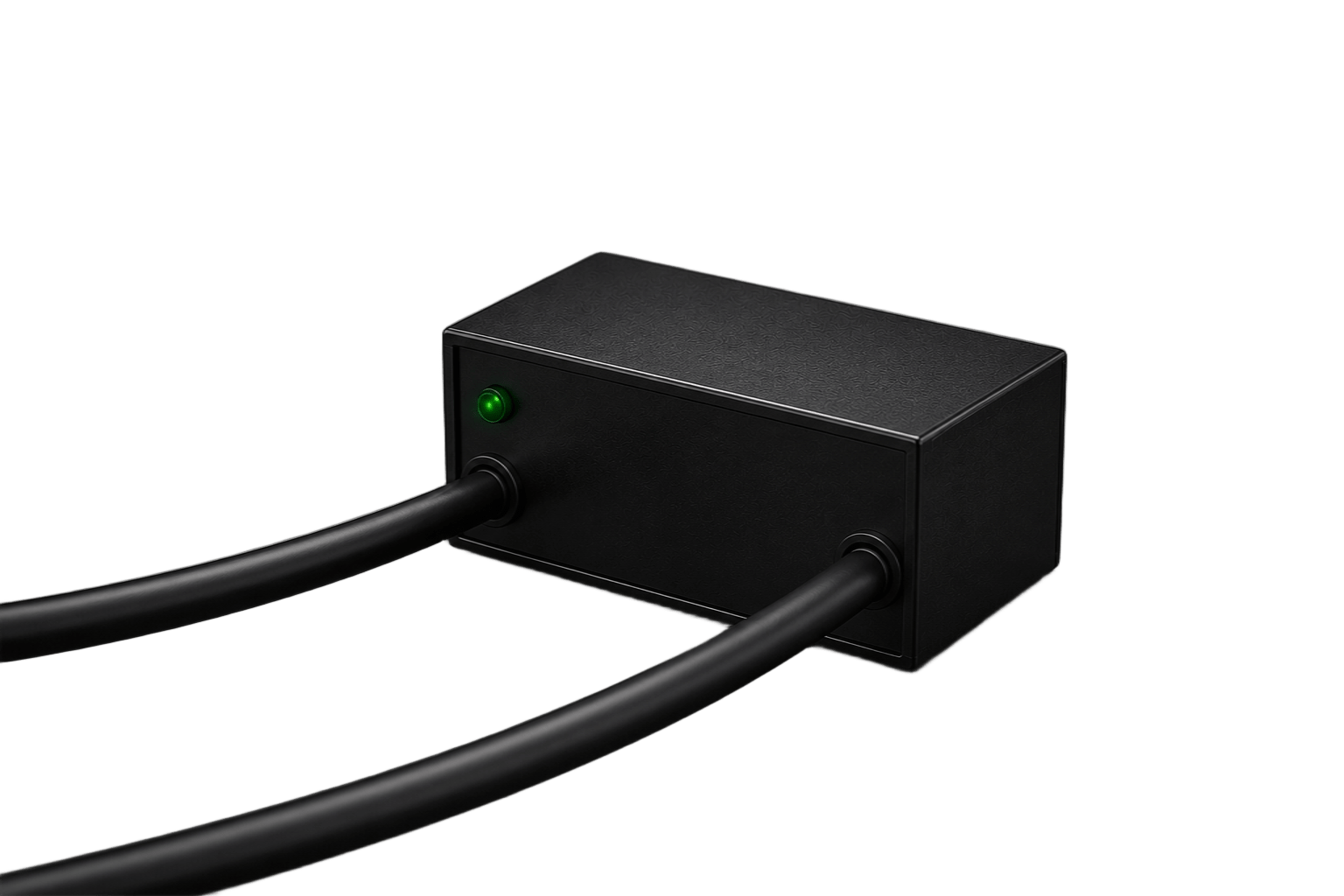
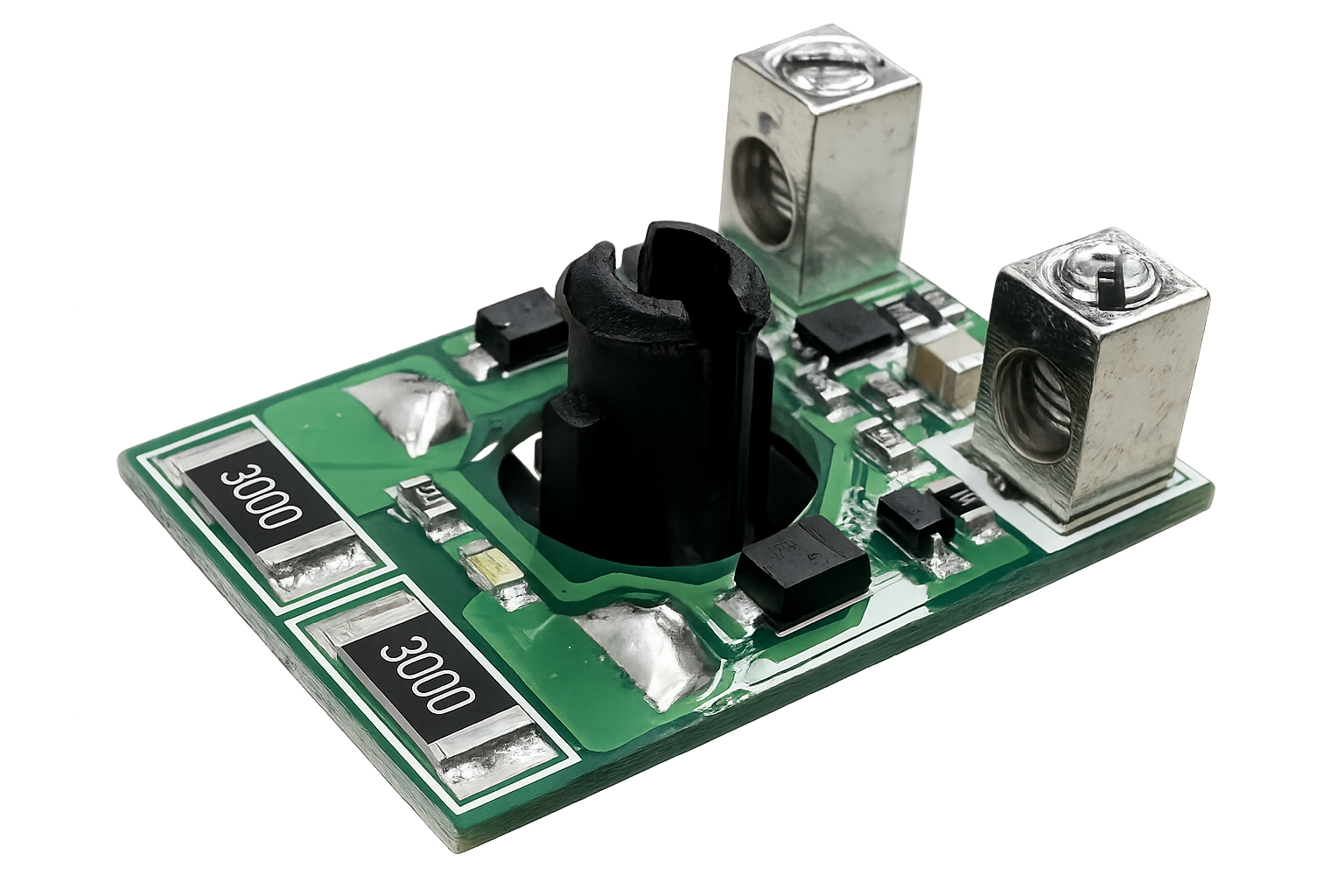
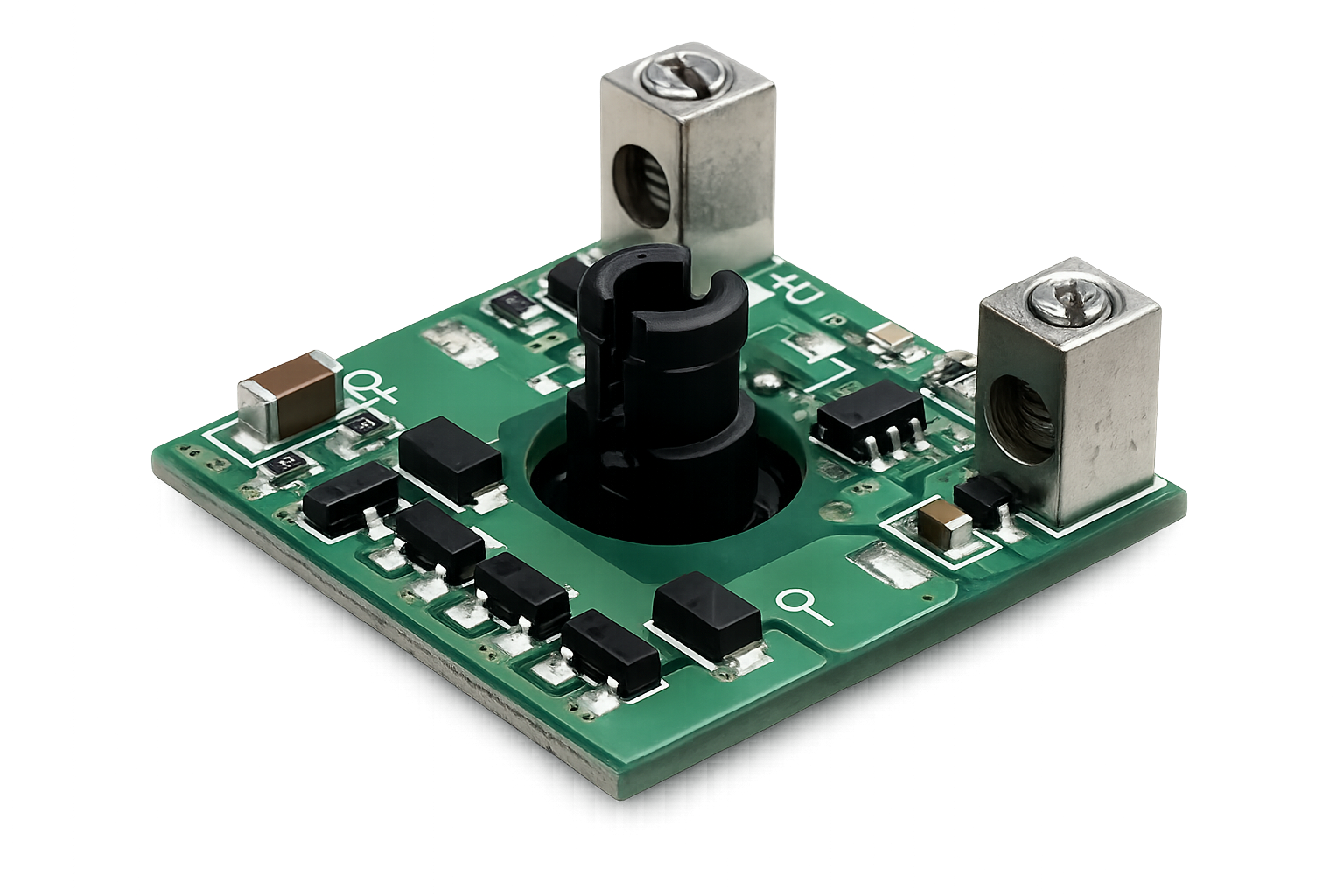
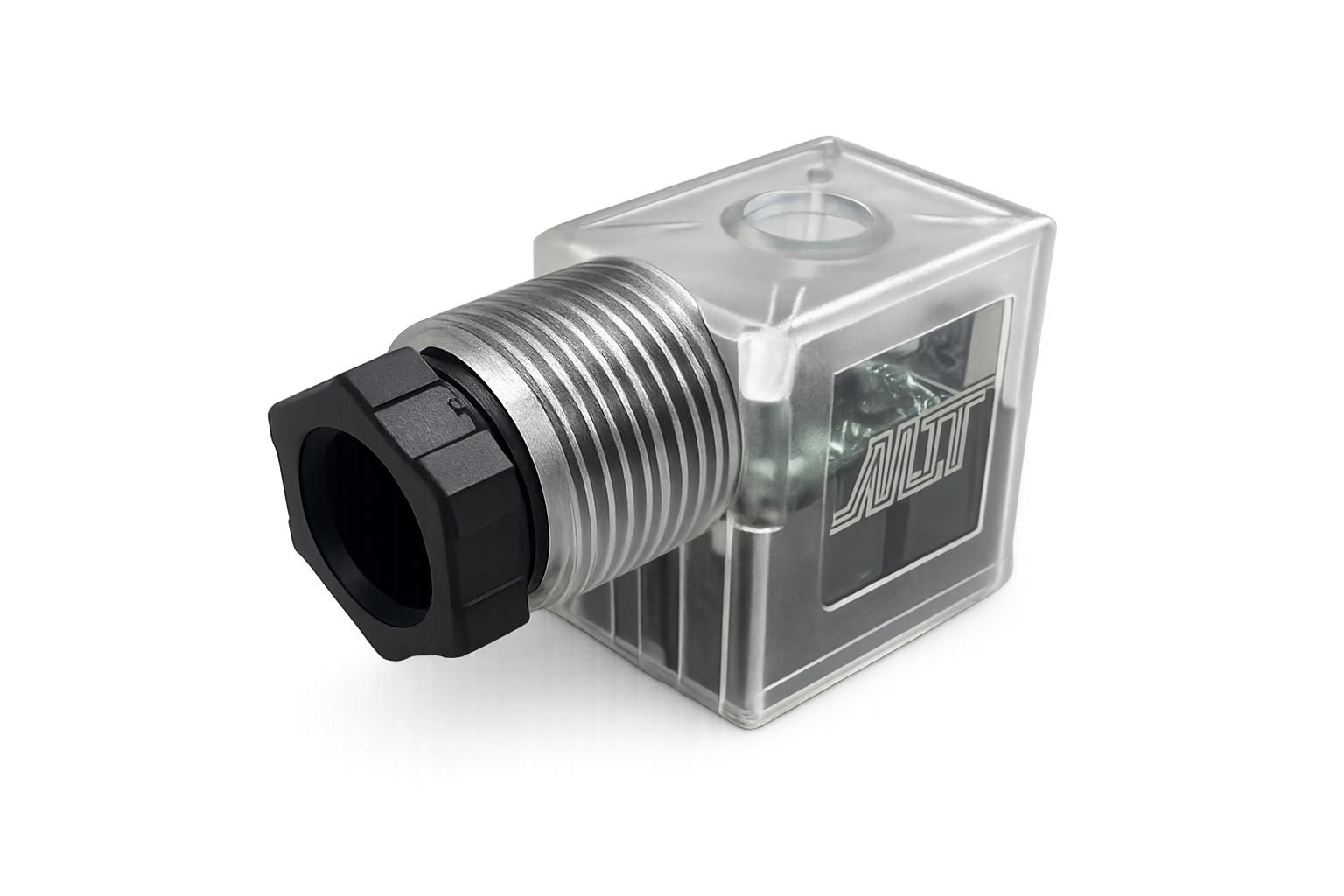
When the solenoid valve is energized, the coil is initially supplied with the rated current to generate sufficient magnetic force, allowing the armature to overcome the spring force and achieve reliable actuation. Once the valve reaches its energized holding state, the energy-saving module automatically reduces the coil current to a preset holding current level.
Since a significantly lower magnetic force is required to maintain the armature in the actuated position after pull-in, the module precisely regulates the output current to the minimum level necessary for stable operation. This effectively reduces power consumption without compromising the valve’s performance or holding reliability.
In addition, coil heating is primarily caused by copper losses (I²R losses) generated by continuous high current flow. By reducing the holding current, the energy-saving module significantly decreases heat generation, lowers the operating temperature of the coil, and helps extend the service life of the coil insulation and solenoid valve components. As a result, overall system reliability and energy efficiency are greatly improved.